
Riviera Coastal Block Print Wallpaper & Fabric

Updated: Sep 8

Bring the relaxed character of a Mediterranean summer home with hand-drawn fish, starfish, seaweed, and coordinating coastal patterns in teal, coral, and warm cream.
Salt air, sun-bleached shutters, striped market awnings, and the easy rhythm of a Mediterranean summer—the Riviera Coastal Block Print collection translates that atmosphere into wallpaper, fabric, and home décor.
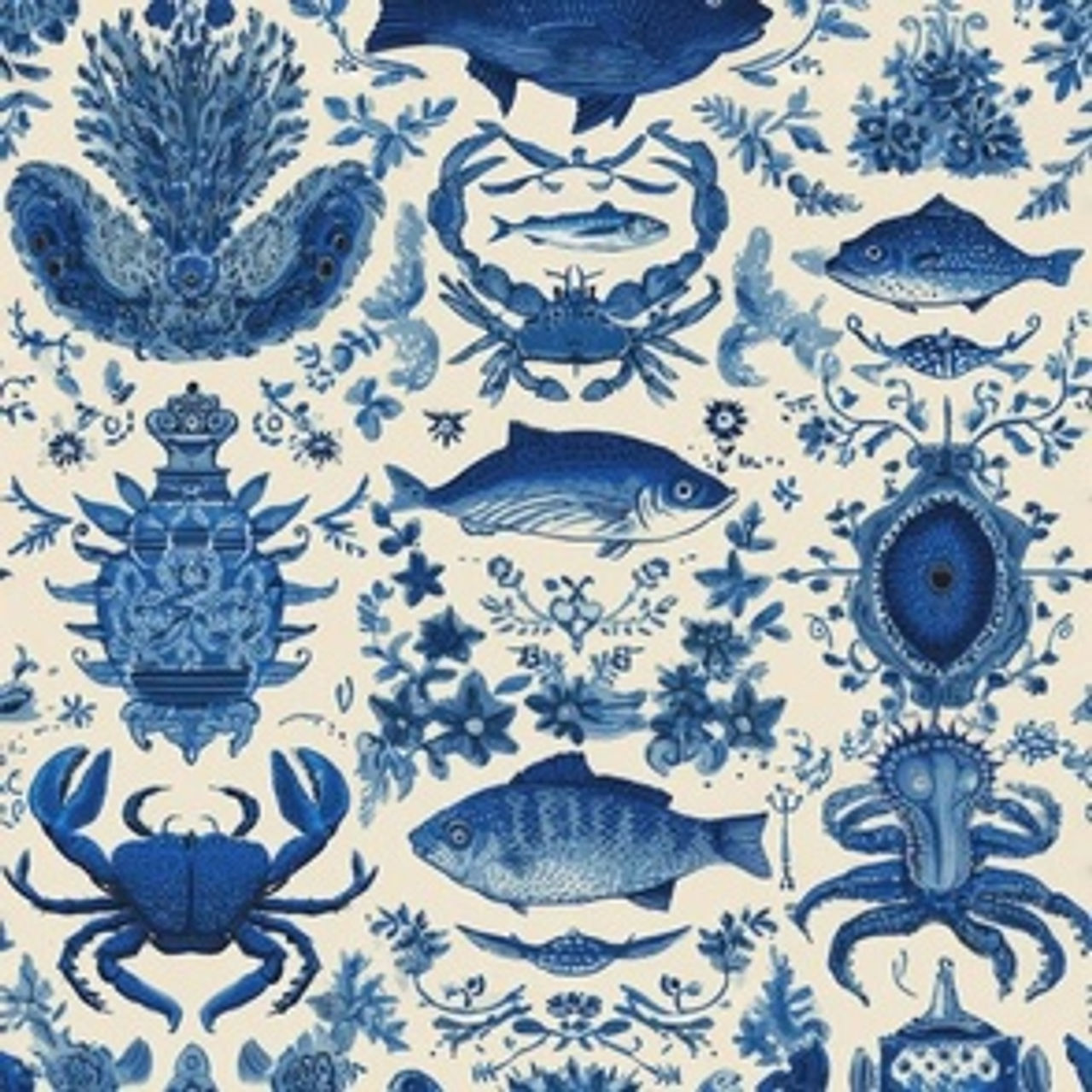
Hand-drawn fish, starfish, trailing seaweed, and layered seaside motifs are arranged in a bold, hand-block-printed style. The patterns feel artisanal and pleasantly imperfect, giving rooms the warmth and personality of something discovered during a seaside journey rather than selected from a conventional coastal catalogue.
The collection works just as naturally in a relaxed coastal cottage as it does in a modern kitchen, playful bathroom, colorful nursery, or sun-filled apartment. It was created for the continuing move toward warmer, more expressive coastal interiors: a little less polished “coastal grandmother” and a little more sun-worn Riviera charm.
A Warmer Interpretation of Coastal Block Print Wallpaper & Fabric Style
Coastal decorating does not have to rely exclusively on navy stripes, bright white walls, anchors, or literal nautical accessories. The Riviera Coastal Block Print Wallpaper & Fabric collection takes a more traveled and layered approach.
Its palette combines:
Deep and refreshing teal inspired by clear Mediterranean water
Warm coral drawn from painted villages, shells, and summer sunsets
Soft cream with the character of sun-faded linen
Supporting colors designed to make the coordinating patterns easy to combine
Together, these colors create a coastal mood without making a room feel themed. Teal provides structure and contrast, coral introduces warmth and energy, and cream keeps the overall effect light and welcoming.
The result sits comfortably between traditional and contemporary decorating. Pair the designs with pale oak, whitewashed furniture, rattan, and linen for an airy coastal room, or combine them with terracotta, aged brass, dark timber, and handmade ceramics for a richer Mediterranean atmosphere.
Why Riviera Coastal Block Print Works
The collection was designed to do double duty as statement wallpaper and versatile decorating fabric. Its 80 coordinating designs can be used individually or mixed across an entire room.
A Mediterranean coastal color story
Teal, coral, and warm cream are flexible enough to complement crisp whites and sandy neutrals while also working beautifully with terracotta, ochre, natural wood, and deep ocean blue.
This makes the collection useful for both restrained coastal schemes and more colorful, Sicilian-summer-inspired interiors.
An artisanal block-print character
The hand-drawn shapes and block-print-inspired texture keep the patterns from feeling overly polished or mechanical. Small variations in the forms create movement and give the designs a relaxed, collected quality.
That visual texture can make a newly decorated room feel more personal and lived in—especially when paired with natural materials such as linen, cane, seagrass, raw wood, and handmade pottery.
Eighty designs made to coordinate
The collection includes fish, starfish, seaweed, and layered Mediterranean motifs in a variety of arrangements and scales.
That makes it possible to begin with one hero pattern and build outward. A bold wallpaper can be accompanied by quieter coordinating cushions, while curtains or upholstery can repeat one of the room’s accent colors without duplicating the main design exactly.
Flexible materials and made-to-order sizing
The designs are available through Spoonflower on a range of wallpaper and fabric options. Depending on the selected design and product, shoppers can choose materials suitable for projects such as removable wallpaper, quilting, curtains, cushions, canvas accessories, and upholstery.
Because each order can be customized by material, size, and quantity, the collection can support anything from a small craft project to a complete room transformation.
Suitable for rooms beyond the beach house
These patterns do not require an ocean view. Their organic forms, warm colors, and graphic rhythm can bring a relaxed coastal note to urban homes, country cottages, and contemporary spaces.
They are particularly well suited to:
Bathroom and powder-room accent walls
Laundry rooms and utility spaces
Breakfast nooks and kitchen feature areas
Nurseries and children’s rooms
Guest bedrooms
Sunrooms and enclosed porches
Reading corners and home offices
Cushions, curtains, Roman blinds, and upholstered seating
Table linens, tote bags, and handmade gifts
Five Ways to Decorate With the Collection
1. Create a memorable bathroom or powder room
A small bathroom is an ideal place to use a confident pattern. Fish, starfish, or flowing seaweed can introduce movement without requiring many additional decorative objects.
For a balanced result, pair a busier wallpaper with simple fittings and repeat one color from the design in the towels, mirror frame, or painted vanity. Warm metals such as aged brass can enhance the Mediterranean character, while chrome and white ceramics keep the effect fresh.
2. Give a kitchen a Riviera accent
Use a statement design on a breakfast-nook wall, inside a glass-front cabinet, or in another dry feature area away from direct heat and splashing.
Coordinating fabric can continue the idea through café curtains, seat cushions, or a Roman blind. Pale wood and cream cabinetry will create a softer look; coral accessories and terracotta pottery will produce something warmer and more expressive.
3. Layer patterns in a bedroom
Choose one larger motif for the room’s main focal point and support it with smaller or quieter coordinates.
For example:
Use a fish or seaweed design behind the bed
Choose a subtle coordinate for curtains
Add coral and teal cushions in two complementary patterns
Keep bedding predominantly cream or white
Finish with woven lighting and natural wood
The shared palette allows multiple patterns to coexist without the room becoming visually chaotic.
4. Add personality to a nursery or child’s room
Marine life offers a playful alternative to generic nursery themes. Fish, starfish, and seaweed can feel imaginative and cheerful while remaining stylish enough to grow with the room.
A removable wallpaper feature can establish the theme, while matching fabric can be used for storage baskets, curtains, cushions, or a reading-corner seat.
5. Refresh a room through textiles
Wallpaper is not required to create an impact. A few well-placed fabric pieces can introduce the collection gradually.
Consider:
Recovering a small chair or bench
Making two or three coordinating cushion covers
Adding café curtains to a kitchen
Creating a table runner or set of napkins
Sewing a fabric lampshade
Updating a window seat
Making a coastal tote or weekend bag
This is also an easy way to test how the palette works with furniture and finishes already in the room.
How to Mix Coastal Patterns Without Overwhelming the Room
The easiest approach is to vary the scale and visual intensity of the designs.
Begin with one hero pattern. This should be the most noticeable design and can appear on a feature wall, curtains, a headboard, or a prominent upholstered piece.
Next, add one supporting pattern with a smaller motif or more open background. Use it for cushions, a lampshade, or a smaller textile element.
Finally, include one quiet coordinate that reads almost like a texture from across the room. This helps connect the stronger patterns without competing with them.
A simple formula is:
One hero design + one smaller coordinate + one quiet texture + solid colors drawn from the collection
Repeating teal, coral, and cream in small details will make the room feel intentional even when several different patterns are used.
Materials That Complement the Riviera Look
To deepen the relaxed Mediterranean character, combine the collection with tactile, natural finishes:
Washed linen and cotton
Rattan, cane, and seagrass
Pale or weathered timber
Terracotta and handmade ceramic
Aged brass or warm bronze
Limewashed or softly textured walls
Woven rugs
Fluted or colored glass
Simple white stone and tile
Avoid filling the room with too many literal seaside decorations. The patterns already establish the coastal story; surrounding them with restrained, tactile materials creates a more sophisticated result.
Choosing Your First Design
With 80 coordinating patterns available, it helps to begin with the project rather than trying to choose a favorite design immediately.
If you are decorating a wall, look first for a pattern with enough scale and contrast to remain clear across a larger surface.
If you are sewing curtains or cushions, consider how the design will look when folded, gathered, or cut into smaller pieces.
For upholstery, select a motif and scale that will remain recognizable on the furniture’s individual panels.
Whenever possible, order a sample before committing to a larger project. Screens can display color differently, and seeing the print at its real scale will help you judge the palette, texture, and relationship to other materials in the room.
Start With One Corner
A full renovation is not necessary to bring the feeling of a Mediterranean summer home. Begin with a powder-room wall, a pair of cushions, a kitchen curtain, or a favorite chair.
Choose the motif that catches your eye first. Then use the collection’s coordinating prints and shared palette to expand the story at your own pace.
The goal is not a perfectly themed coastal room. It is a space that feels warm, relaxed, personal, and slightly sun-worn—as though summer has been allowed to linger.
Shop the Collection
Click on any design below to view it on Spoonflower, where you can explore the available material choices and select the size and quantity needed for your project.



Make It Your Own
Want a custom colorway, a different scale, or a coordinating design for a specific room? Browse Igor Vasiliadis's full Spoonflower design library here and get in touch — custom requests are welcome.


Comments